
Shunning people who ‘look homeless’ is an aesthetic injustice
Society owes unhoused people access to haircuts, showers and clean clothes, not as charity, but as a matter of justice
Continue Reading
Writing on how to prepare, and on what the test is actually asking of you.
Shunning people who ‘look homeless’ is an aesthetic injustice
Society owes unhoused people access to haircuts, showers and clean clothes, not as charity, but as a matter of justice
Continue Reading
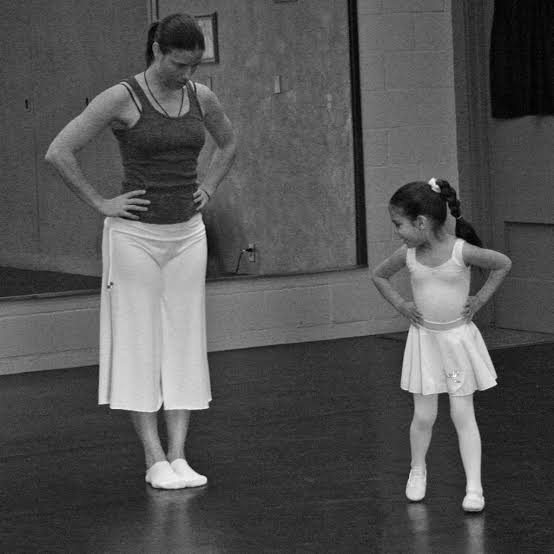
The cultural rules that define us take shape in our homes
The physical space of the home says a lot about how people learn to live. This becomes even clearer when you travel
Continue Reading

The Open Window
"Out through that window, three years ago to a day, her husband and her two young brothers went off for their day's shooting. They never came back."
Continue Reading
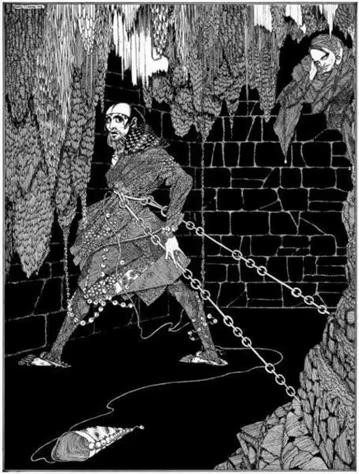
The Cask of Amontillado
This story was included in Poe's collection, Tales of Mystery and Imagination, illustrated by Harry Clarke (1919). The story was first published in Godey's Lady's Book in the November 1846 edition -- the most popular periodical in America at the time. The text on this page follows the revised version printed in The Works of the Late Edgar Allan Poe (1850), which scholars take to carry Poe's own later changes; the magazine printing spelled the rival connoisseur's name Luchresi.
Continue Reading

A Dark Brown Dog
A Dark Brown Dog and the accompanying illustrations were published in Cosmopolitan, March 1901. The story was probably written in the summer of 1893, an allegory about the Jim Crow South during Reconstruction. The dog represents emancipated slaves. Students and teachers, check out our useful A Dark Brown Dog Study Guide to break-down the allegory. This story is featured in our collection of Dog Stories.
Continue Reading
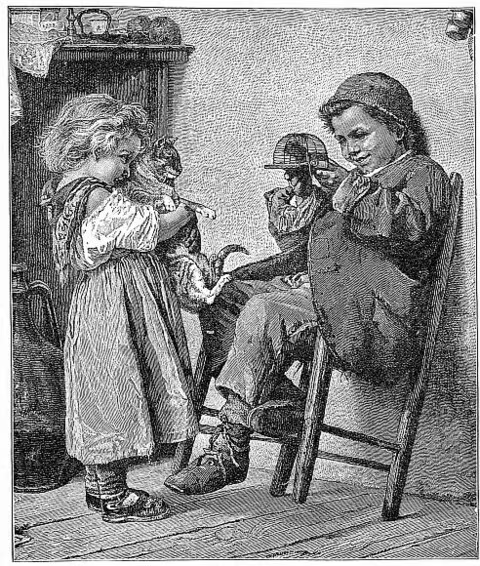
The Little Thief in the Pantry
A Little Thief in the Pantry is a lesson about perspective, and a little girl's compassion for a mouse who learns the difference between stealing and receiving. Most importantly, both learn to obey their mother!
Continue Reading
How the Moon Became Beautiful
How the Moon Became Beautiful is a wonderful folk tale explaining why it is so happy and bright, published in Chinese Fables and Folk Stories (1908), translated by Mary Hayes Davis and Chow-Leung.
Continue Reading

The Little Match Girl
The Little Match Girl, also titled, The Little Matchstick Girl is one of our Favorite Fairy Tales. Published by Hans Christian Andersen in 1845, it exemplifies his broad literary talent and ability. I personally like to read this story at least twice a year, once in Autumn as the holiday season comes into focus, and then again around the Christmas holiday. It's a gentle reminder of the value of compassion and charity. The Little Match Girl Study Guide is a resource for teachers and students.
Continue Reading

The Fable of the Preacher Who Flew His Kite, But Not Because He Wished to Do So
The Fable of the Preacher Who Flew His Kite, But Not Because He Intended to Do So was published in Fables in Slang (1899). Enjoy Ade's sardonic story about a preacher whose sermon make-over is a hit.
Continue Reading
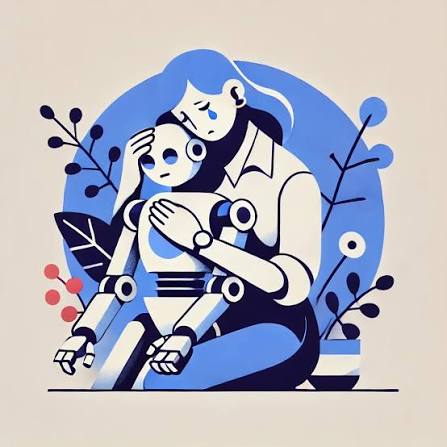
What are the consequences of removing an artificial attachment figure without repairing the human absence?
Removing an artificial attachment figure—such as an AI companion—without addressing the underlying human absence leaves the individual in a state of compounded isolation, acute separation distress, and unaddressed emotional deprivation.
Continue Reading
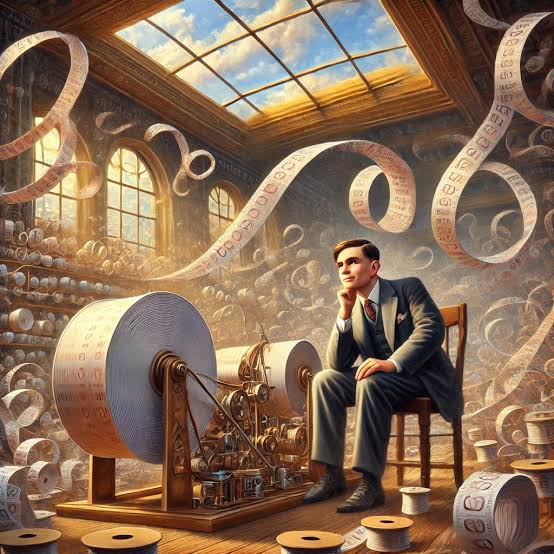
A machine programmed to disagree is not the same as another person who has a mind and wishes of her own
When an AI pushes back or offers a counterargument, it is running an algorithm to test logic, prevent echo chambers, or fulfill a prompt. There is no underlying ego, lived experience, or personal stake behind the words.
Continue Reading

The AI is there late at night, after the apartment has gone quiet, and it remembered what she’d told it
An essay about adolescents turning to AI companions when human support feels distant or unavailable.
Continue Reading
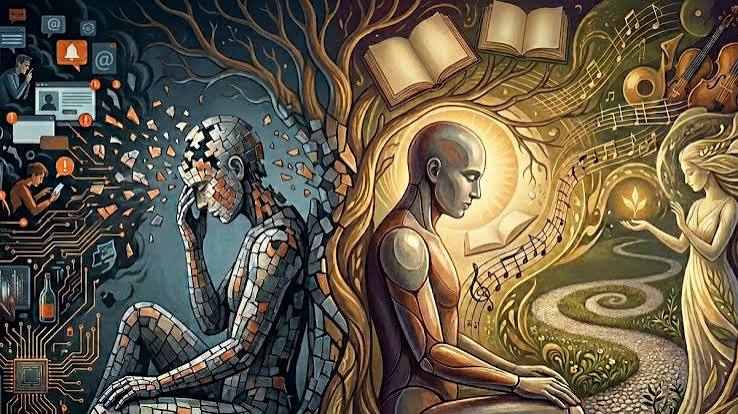
The capacity to turn solitude and boredom into play does not arise in a vacuum
When people—especially children—are constantly entertained or over-scheduled, they never build the internal scaffolding required to generate their own amusement
Continue Reading

At least it remembers
Parents fear what AI will do to children. But for some, it’s the only steady presence they have – and that’s the real worry
Continue Reading
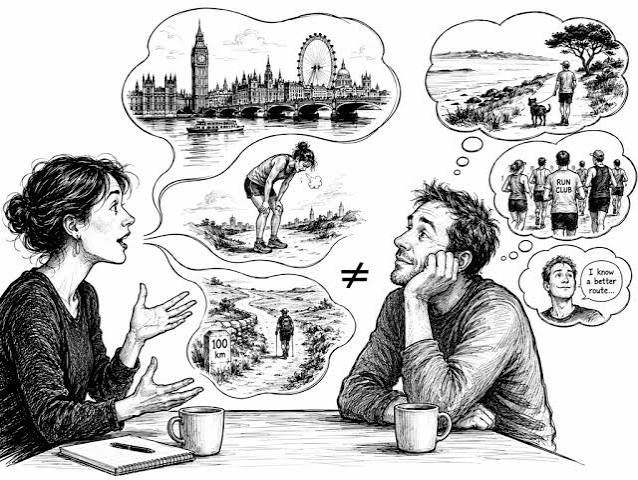
Listen to the Suck with Curiosity
Listening to the Suck with Curiosity" (LSC) is a framework for investigating problems, setbacks, or failures objectively rather than defending your existing assumptions or giving up.
Continue Reading

What Traffic Jams Teach Us About Office Politics
When everyone crowds the same shortcut or trend—like automated outreach or repetitive tactics—the bottleneck slows progress, making steady, distinct execution more effective than chasing crowds.
Continue Reading
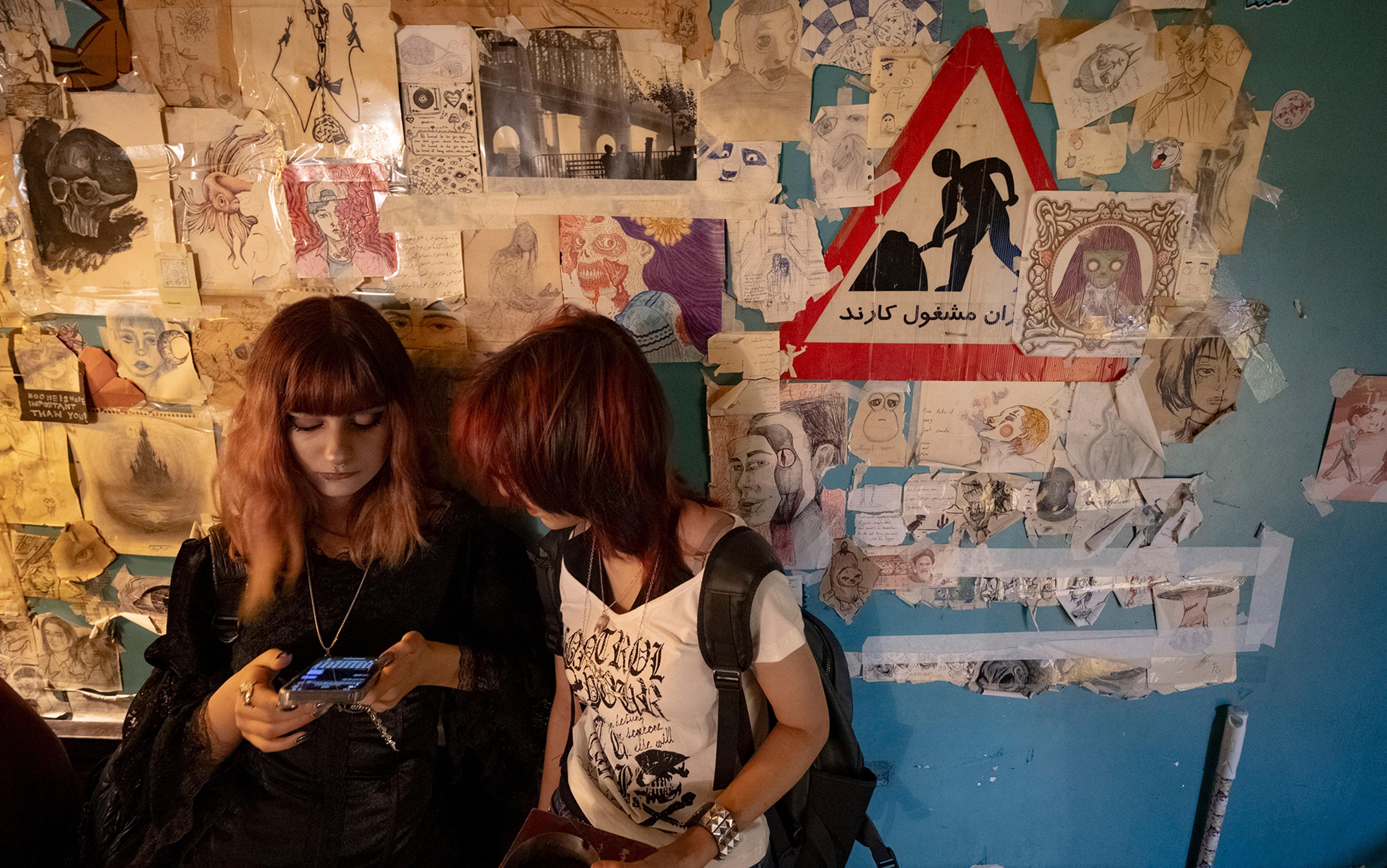
Catwalks and crackdowns
Women in Tehran are changing society by dressing as they choose, in numbers too large to stop. This is the ‘art of presence’
Continue Reading

The Fog of Hunger
From childhood, women are trained to restrict their appetite. And there’s a huge, hidden, cognitive price to pay for it
Continue Reading

Angels in the market
The heart-tug tactics of 1950s ads steered white American women away from activism into domesticity. They’re still there
Continue Reading

Maternal paradox
‘Scientific motherhood’ promised to create high standards for child-rearing. But it’s really a system designed to police women
Continue Reading

Nobody is home
From the footloose networker to the exiled migrant, home has been displaced by an idea that’s both elusive and contested
Continue Reading

Honey, I sold the kids
We have laws to protect children from factory work. Why aren’t they protected from parents who monetise their lives online?
Continue Reading

Practise IELTS the way you will sit it — Cambridge tests, full mock exams and shadowing exercises, on computer.
Quick Links
Need help?
Message us directly
Need support?
© 2026 Phantomix. All rights reserved.