Shunning people who ‘look homeless’ is an aesthetic injustice
Society owes unhoused people access to haircuts, showers and clean clothes, not as charity, but as a matter of justice
Continue Reading
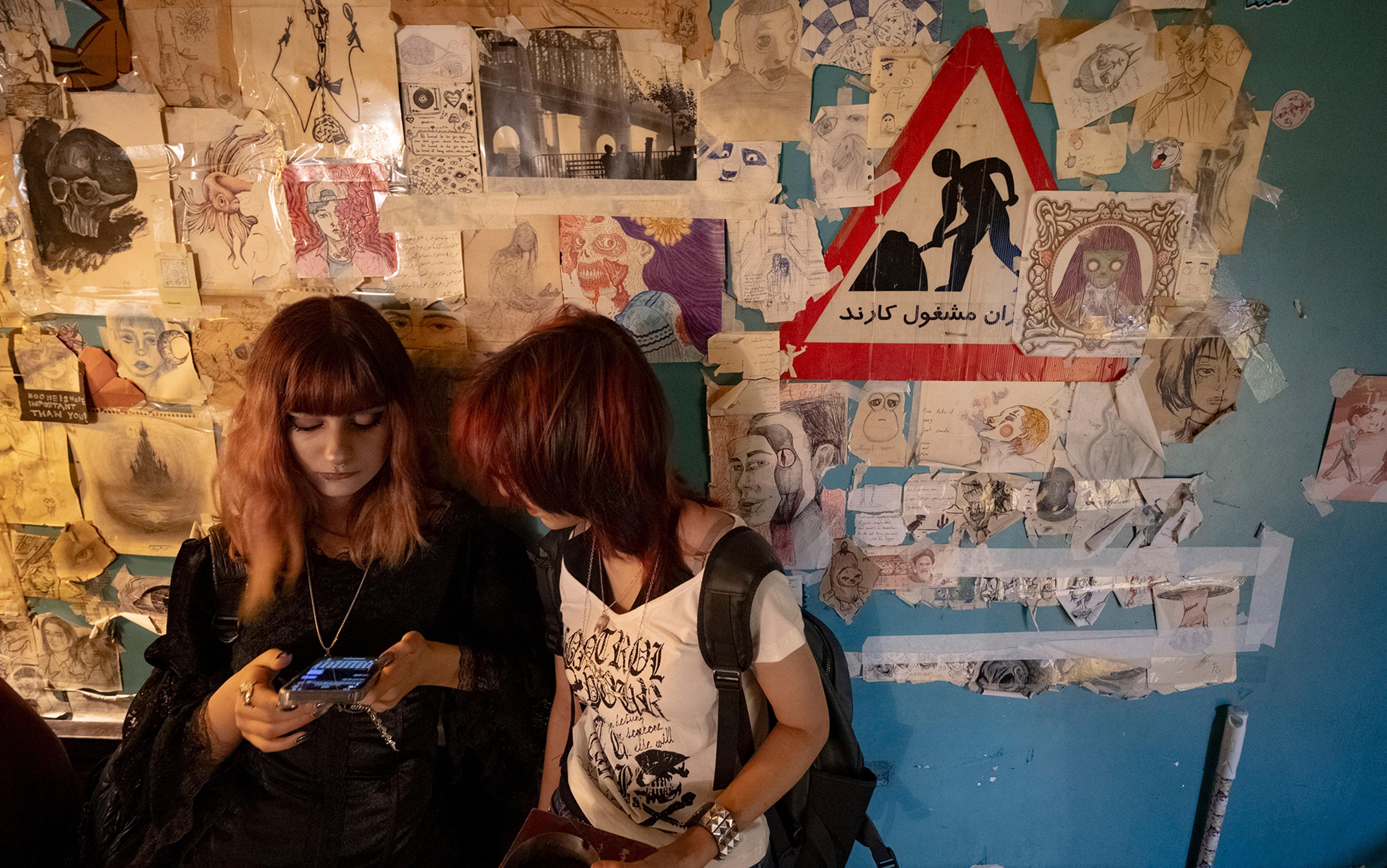
Yasaman is one of the regulars on Iranshahr, the new fashion hub of Tehran. Most evenings, she sets up a stall on the pavement and sells her drawings of manga and anime characters. On social media, she sports her own manga-inspired look: pink hair, pink mouth and smudgy pink eyeshadow extending beyond the corner of each eye. She tells her followers that, before she leaves her house, her mother says: ‘Put on less makeup.’ ‘Mum, be reasonable,’ she answers. ‘I’m going to Iranshahr. For Iranshahr this is nothing. I’m going to Paris Fashion Week. You know everyone there is doing a catwalk.’Iranshahr’s sidewalks teem with young people parading the latest fashions and filming other young, stylish people for their social media feeds. This is where the fashionistas congregate, hanging out in cafés and galleries, and mingling on the sidewalks. Barely a headscarf is visible. The streets looked nothing like this a few years ago, but once the American-Israeli attacks began in February this year, the Islamic Republic has been fighting for its survival: with much of its leadership killed, the Strait of Hormuz under siege, and many of the country’s neighbours in league with the enemy, policing what people wear has slipped a long way down its list of priorities.
The hijab law has been codified in Iran since 1983, enforced nationwide by the ‘morality’ police. Disobeying it meant fines, flogging or imprisonment. But then one act of disobedience changed everything. In December 2017, Vida Movahed, a woman in her 30s, climbed onto a utility box on Enghelab Street in Tehran, took off her white headscarf and held it up on a stick. Although she was arrested and later sentenced to a year in prison, her action proved contagious. Other women climbed up onto boxes and makeshift plinths in the same street, waving their headscarves in the air. People began calling them the Girls of Enghelab Street. They were arrested too. It is hard to convey now how much nerve their actions took. Women had been edging their scarves back for years, but taking one off in daylight, above the traffic, where the police could see their naked heads as clearly as everyone else, was something very few women had done in public, since the protests of 1979 and 1980.
Then, in September 2022, Mahsa Jina Amini died in custody of the morality police. Unlike the women on the boxes, she was not an activist: aged 22, a Kurdish woman visiting from Saqqez, a city 600 km west of Tehran, she’d been stopped because her loose headscarf was not covering enough of her hair. Her death brought thousands of people out on to the street in an outpouring of grief and anger. Women burned their headscarves. Cut their hair in front of cameras. Their protests spawned the Woman, Life, Freedom movement, and continued for months. What began as a demand for justice for one woman became a challenge to the compulsory hijab, then to the system itself. The authorities responded with arrests, executions and a repression that has never really stopped. The funerals of the dead became protests in their turn.
What changed was that the morality police largely disappeared from the streets for months afterwards, with no announcement that the patrols had ended. Women who had grown up expecting to be stopped were not being stopped, and they knew why: the government had learned in 2022 what a single arrest could cost.
Azadeh, a woman from Tehran, tells me that, during the 12-day war with Israel in June 2025, the city felt apocalyptic. After the US president Donald Trump posted that people in Tehran should get out of the city, they fled their homes, leaving everything behind, and the city emptied. Checkpoints multiplied as the government waited for an uprising that never came. But in the strange mood that settled on the city following the attacks, Azadeh noticed another change – a bargain that nobody signed: ‘The state began leaving people alone to live as they like, as long as they do not come out into the street about it.
’‘You cannot leave the house in ordinary clothes. You have to be put together’'
What is happening in Tehran now is the quiet discarding of rules that have governed daily life for decades. A few inches of visible hair used to be the whole argument, but it is no longer the point. Women up and down the city are removing their scarves and manteaus – the loose, knee-length coats they were required to wear over their clothes in public – and adopting the latest trends: capri trousers, cropped and close-fitting clothes, bare arms, midi skirts, bare legs. Enjoying this new freedom, they parade along Iranshahr (rather aptly, the street takes its name from the old Persian word for the land of the Iranians), where shops that used to sell manteaus and headscarves have switched to blouses and T-shirts.
A young woman whom I’ll call Mina puts the shift in blunter terms. ‘It isn’t optional anymore,’ she said. ‘You cannot leave the house in ordinary clothes. You have to be put together.’ She does not wear a headscarf anymore, and nor does anyone she goes out with. On the streets where people go to be seen, she tells me, hardly anyone does. In Tehran, those who can afford it wear the latest designer clothing. But in small Iranian towns, local workshops turn out such good copies of the latest Parisian and New York trends that anyone can now dress head to toe in ‘Chanel’, whatever their class.
Sima, also from Tehran, says that: ‘Among the women who dress freely there is a kind of solidarity. Nobody talks about it, but everyone feels it.’ Recalling the first time she removed her headscarf, Sima says: ‘I felt bald … I thought everyone was looking at me, and I kept checking.’ She was frightened, she told me, so she kept a headscarf in her bag ready to whip out if anything should happen. It took a while for the feeling to pass. Each time she went out, she saw more women without headscarves and that gave her heart. She knew that she was not alone.
More on Phantomix
Shunning people who ‘look homeless’ is an aesthetic injustice
Society owes unhoused people access to haircuts, showers and clean clothes, not as charity, but as a matter of justice
Continue Reading
The cultural rules that define us take shape in our homes
The physical space of the home says a lot about how people learn to live. This becomes even clearer when you travel
Continue Reading
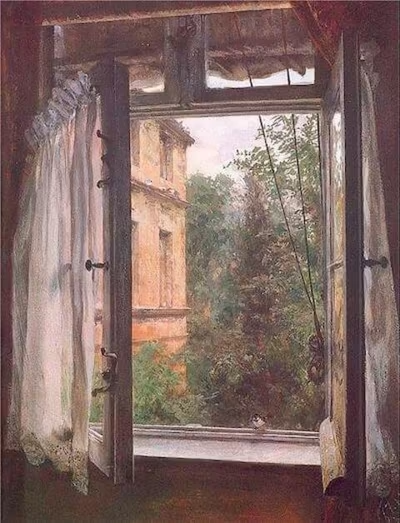
The Open Window
"Out through that window, three years ago to a day, her husband and her two young brothers went off for their day's shooting. They never came back."
Continue Reading

Practise IELTS the way you will sit it — Cambridge tests, full mock exams and shadowing exercises, on computer.
Quick Links
Need help?
Message us directly
Need support?
© 2026 Phantomix. All rights reserved.