
The Fog of Hunger
From childhood, women are trained to restrict their appetite. And there’s a huge, hidden, cognitive price to pay for it
Continue Reading
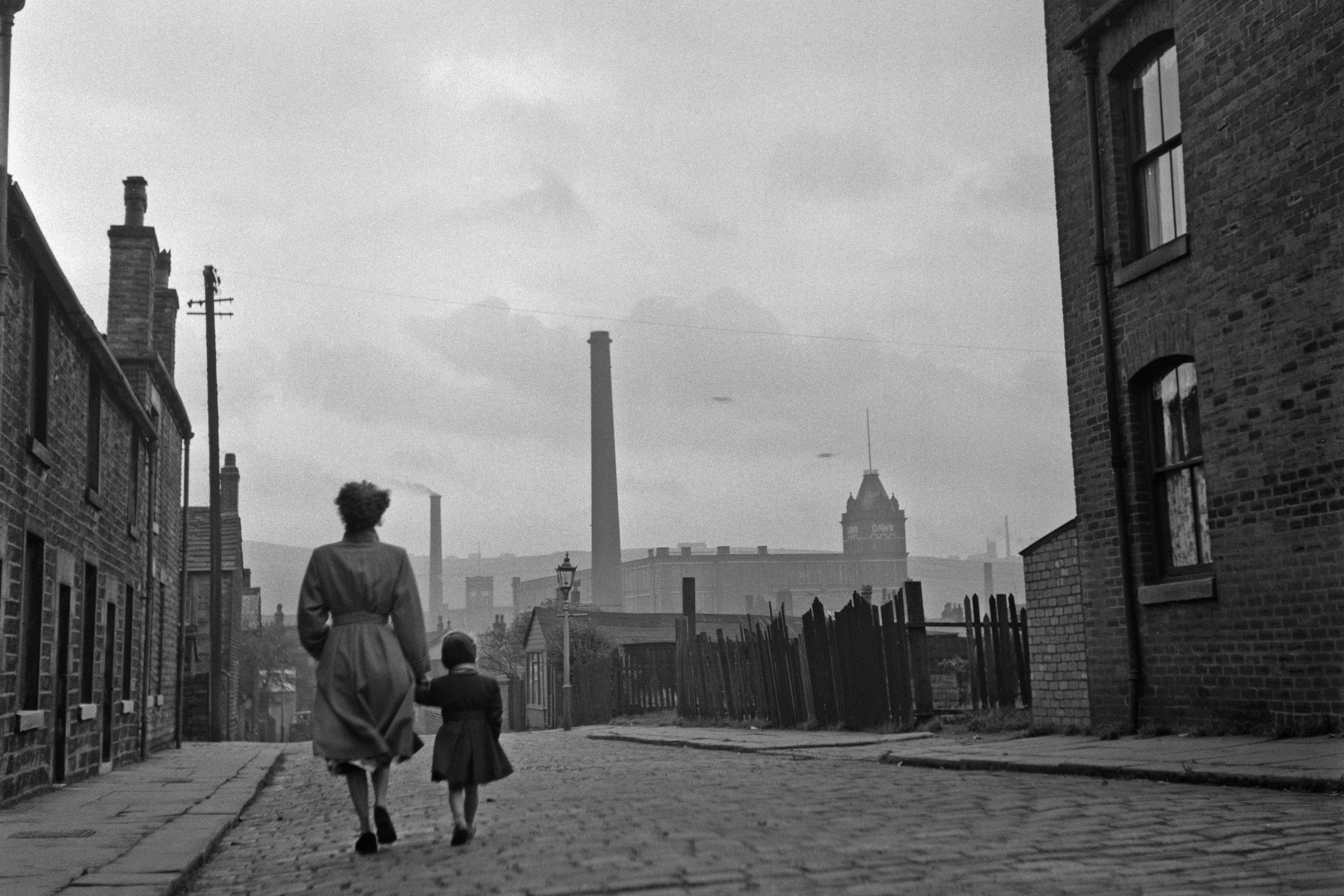
In the early 2020s, a trend called ‘gentle parenting’ gained popularity among millennial parents, and I quickly found my friends who are parents of young children getting wrapped up in it. My high-school best friend Macy, mother of two boys aged two and four, explained over coffee that she tries never to say ‘No’. Midway through our two-hour catch-up, the older one threw a small fist when she stopped him from tipping the sugar bowl into his milk. ‘I can see you’re upset because you really wanted to pour the sugar yourself,’ Macy said calmly. ‘But sugar isn’t for pouring right now. How about you stir your milk instead?’Always validate the child’s feelings, prioritise warmth at all costs, and avoid negative words such as ‘no’, ‘don’t’ or ‘bad’ – that’s how Macy explained gentle parenting to me. This certainly isn’t how she and I remember our mothers parenting us in 1990s Hong Kong. Before Amy Chua’s Battle Hymn of the Tiger Mother (2011) scandalised Western readers, Chinese parents were already infamous for their strictness – corporal punishment for wayward and defiant children, academic excellence as non-negotiable, and ‘No’ delivered once, sharply, without negotiation or explanation. Macy laughed ruefully: ‘My mother would have given me one look and I’d have known to sit still. Now I’m reading articles about how saying “no” damages my sons’ self-esteem.’My friend learns everything about parenting from books and Instagram reels, not her own mother. And gentle parenting certainly isn’t the only parenting philosophy trending among young mothers these days. AI-powered apps like Glow Baby, which has garnered more than a million downloads, help mothers track milestones and manage feedings, while also providing personalised recommendations tailored to each baby’s needs. Sleep training divides into warring camps: cry-it-out advocates cite studies on self-soothing. Attachment-parenting proponents warn of cortisol damage – harm caused by prolonged, high-stress hormone levels. There’s also the age-old breast versus bottle debate, repackaged as ‘fed is best’ versus ‘breast is best’.All of these purport to be ‘science-backed’, but there’s no shortage of backlash against the philosophy. The journalist and mother Polly Dunbar writes in The Independent that gentle parenting is a set of rules regulating the behaviour of parents, not children. She worries that this kind of parenting raises a generation of spoiled brats who prioritise their emotions and needs over those of others. Psychologists also argue that validating emotions doesn’t essentially solve the child’s behavioural problems.I have not sent these articles to Macy, lest she beats herself up for doing it all wrong yet again. But what may be oddly reassuring is that mothers have been getting it wrong for a while, as motherhood has long been a profession requiring credentials no mother could ever fully possess.The paradox facing my friend (and many mothers across the globe) wasn’t invented on Instagram or TikTok: ‘mothercraft’ in the hegemonic, Western sense was engineered more than a century ago by Victorian-era experts who convinced mothers they couldn’t trust themselves. ‘Good motherhood’ has since become a moving target that tracks social class and institutional power more than biology or care, with poor, working mothers and mothers from racial minorities bearing the brunt of motherhood surveillance. This invention of maternal standards transformed motherhood into a mechanism for controlling not just children’s development, but women’s bodies, choices and lives.
Seen in this light, today’s anxieties echo a much older project – one that began when mothering was first recast as a science. With her book
(1914), Florence Horspool, an inspector for midwives in Swansea in Wales, was doing something both revolutionary and ominously familiar. Her guide reads like any parenting bestseller on Amazon today: the correct way to bathe a baby, developmental charts, nutritious recipes. Horspool, also honorary secretary at Swansea’s Mothers’ and Babies’ Welcome, was writing a manual not merely for her 12- to 14-year-old students. She was codifying a revolution in the making: the transformation of private maternal care into public policy, the conversion of kitchen wisdom into classroom curricula.
More on Phantomix
The Fog of Hunger
From childhood, women are trained to restrict their appetite. And there’s a huge, hidden, cognitive price to pay for it
Continue Reading
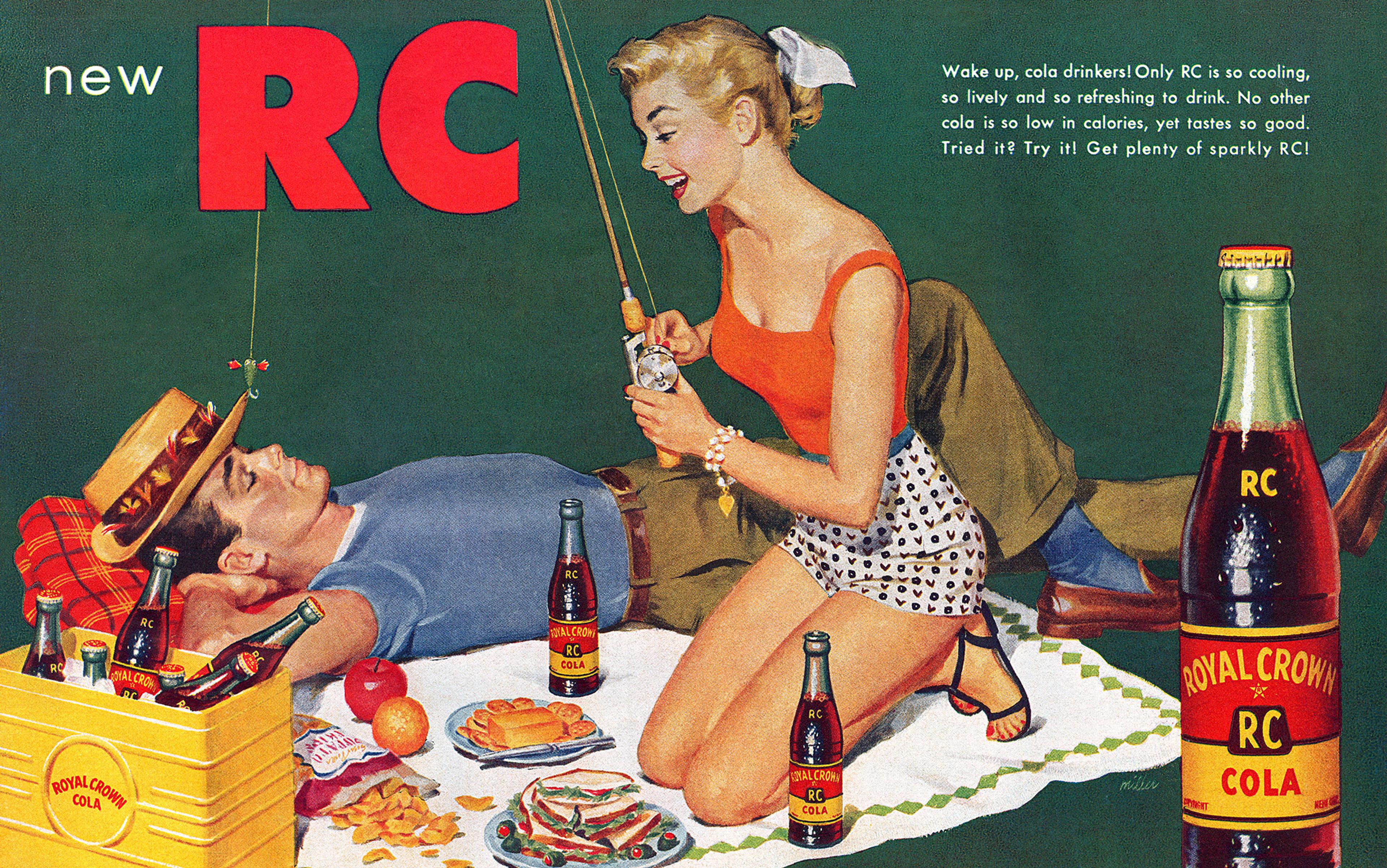
Angels in the market
The heart-tug tactics of 1950s ads steered white American women away from activism into domesticity. They’re still there
Continue Reading

Nobody is home
From the footloose networker to the exiled migrant, home has been displaced by an idea that’s both elusive and contested
Continue Reading

Practise IELTS the way you will sit it — Cambridge tests, full mock exams and shadowing exercises, on computer.
Quick Links
IELTS
Need help?
Message us directly
Need support?
© 2026 Phantomix. All rights reserved.